Top Ad 728x90

samedi 25 avril 2026

Why many experts advise against sleeping with window open

by


Why Many Experts Advise Against Sleeping With the Window Open

For generations, sleeping with the window open has been associated with fresh air, better rest, and a healthier home. Parents encouraged it. Hotels advertise “mountain air.” Many people swear they sleep more deeply with a cool breeze drifting through the room.

But in recent years, a growing number of sleep specialists, allergists, environmental health researchers, and security experts have begun advising caution. While fresh air sounds inherently healthy, the reality is more complex.

So why do many experts advise against sleeping with the window open?

The answer isn’t that it’s always dangerous. It’s that under many common conditions—especially in urban or suburban environments—the risks may outweigh the benefits.

Let’s break down the main concerns.


1. Outdoor Air Isn’t Always “Fresh”

The idea of fresh night air is appealing. But depending on where you live, that air may carry far more than oxygen.

Air Pollution

In cities and near busy roads, nighttime air can contain:

  • Fine particulate matter (PM2.5)

  • Nitrogen dioxide from vehicle emissions

  • Ozone

  • Industrial pollutants

  • Smoke from fireplaces or wildfires

These microscopic particles can easily drift indoors through an open window. Once inside, they may linger in your bedroom air for hours.

Research has linked long-term exposure to air pollution with:

  • Increased risk of asthma

  • Cardiovascular strain

  • Lung inflammation

  • Poor sleep quality

Even short-term exposure to higher pollution levels can trigger coughing, airway irritation, or congestion—especially while you’re lying down and breathing deeply for 6–8 hours.

If you live near traffic, industry, or in a wildfire-prone area, an open window may mean inhaling irritants all night.


2. Allergens Peak at Night

If you have seasonal allergies, sleeping with the window open can significantly worsen symptoms.

Common Nighttime Allergens:

  • Pollen

  • Mold spores

  • Grass particles

  • Dust from outdoor soil

  • Tree pollens (especially in spring)

Pollen levels often rise in the early morning and evening. When your window is open, these particles can settle directly onto:

  • Your pillow

  • Your bedding

  • Your hair and skin

  • Upholstered furniture

You may wake up with:

  • Nasal congestion

  • Itchy eyes

  • Sneezing

  • Post-nasal drip

  • Headaches

Allergy specialists frequently recommend keeping windows closed during high pollen seasons and using HEPA air filtration instead.

For allergy sufferers, an open window can undo the benefits of indoor air control.


3. Noise Disrupts Sleep More Than You Realize

Even if you don’t consciously wake up, noise affects sleep architecture.

With the window open, you expose yourself to:

  • Traffic

  • Sirens

  • Airplanes

  • Barking dogs

  • Wind gusts

  • People talking

  • Trains

  • Construction equipment (in early hours)

Sleep studies show that sudden noise spikes—even if they don’t fully wake you—can shift you out of deep sleep stages.

Deep sleep (slow-wave sleep) is crucial for:

  • Immune function

  • Physical recovery

  • Hormone regulation

  • Memory consolidation

Even mild background noise can reduce time spent in restorative sleep phases.

You may think you’re sleeping fine—but subtle fragmentation may leave you feeling less refreshed.


4. Temperature Fluctuations Can Backfire

One of the biggest arguments for sleeping with the window open is temperature regulation.

It’s true that cooler environments generally promote better sleep. The ideal bedroom temperature is often cited as:

60–67°F (15–19°C)

However, outside temperatures are unpredictable.

Overnight weather can shift due to:

  • Wind changes

  • Sudden cold fronts

  • Humidity spikes

  • Rain

  • Early morning heat rise

If the temperature drops too low, your body may:

  • Increase muscle tension

  • Disrupt REM sleep

  • Cause micro-awakenings

If humidity rises, it can create:

  • Sticky discomfort

  • Increased dust mite activity

  • Mold growth over time

Experts generally recommend consistent indoor climate control rather than relying on outdoor fluctuations.


5. Safety and Security Concerns

While not always discussed in sleep research, security experts often advise against sleeping with easily accessible windows open—especially on ground floors.

An open window can:

  • Provide access for intruders

  • Make it easier for someone to tamper with screens

  • Allow visibility into your bedroom

Even if crime risk is low in your area, vulnerability increases with open points of entry.

Additionally, pets or small children may be at risk near unsecured windows.

This risk is situational—but it’s part of the broader expert caution.


6. Indoor Air Quality May Already Be Better

Here’s something many people don’t realize:

Modern homes with proper ventilation and filtration often have cleaner air indoors than outdoors.

High-efficiency HVAC systems and air purifiers can:

  • Remove fine particles

  • Filter allergens

  • Reduce pollutants

  • Maintain stable humidity

  • Regulate temperature

If you’re using a HEPA filter and keeping your space clean, opening the window may actually reduce indoor air quality—depending on your environment.


7. Increased Humidity and Mold Risk

When you sleep, your body releases moisture through breathing and perspiration. An open window in humid climates can compound this effect.

High humidity encourages:

  • Mold growth on window frames

  • Mildew in curtains

  • Dust mites in bedding

  • Condensation buildup

Mold spores can trigger:

  • Respiratory irritation

  • Allergic reactions

  • Headaches

  • Chronic sinus issues

Experts often recommend maintaining indoor humidity between 30–50% for optimal health.

Outdoor humidity frequently exceeds that—especially at night.


8. Insects and Airborne Irritants

Even with screens, open windows invite:

  • Mosquitoes

  • Gnats

  • Moths

  • Small flying insects

  • Airborne plant debris

Beyond annoyance, mosquito exposure can pose health risks in some regions.

Insect screens also don’t block:

  • Airborne soot

  • Smoke particles

  • Agricultural sprays in rural areas

The barrier isn’t as protective as many assume.


9. Carbon Monoxide and External Sources

If you live near:

  • Garages

  • Parking lots

  • Driveways

  • Fire pits

  • Gas-powered equipment

An open window increases exposure risk to fumes drifting indoors.

While carbon monoxide risks are higher in enclosed indoor spaces, outdoor combustion sources can still introduce irritants and dangerous gases through open windows.

This is particularly relevant in dense residential neighborhoods.


10. The Psychological Illusion of “Better Sleep”

Many people associate open windows with childhood memories, vacations, or countryside living.

This creates a psychological expectation:

Open window = better sleep.

However, perception doesn’t always match physiology.

Studies on sleep quality show that:

  • Stable environments outperform fluctuating ones.

  • Controlled ventilation often leads to more consistent deep sleep.

  • Quiet, filtered air environments reduce nighttime awakenings.

In other words, the idea of fresh air may feel comforting—but measurable outcomes don’t always support it.


When Sleeping With the Window Open Can Be Beneficial

It’s important to be balanced.

Sleeping with the window open may be beneficial if:

  • You live in a low-pollution rural area.

  • Pollen levels are low.

  • The temperature is mild and stable.

  • You don’t suffer from allergies.

  • Noise levels are minimal.

  • The window is secure and safe.

In well-suited conditions, natural airflow can:

  • Improve ventilation.

  • Reduce indoor carbon dioxide buildup.

  • Create a pleasant cooling effect.

The key is environment-specific judgment.


What Experts Recommend Instead

Rather than automatically closing all windows, experts suggest optimizing indoor sleep conditions in smarter ways.

1. Use a HEPA Air Purifier

Removes allergens and pollutants while maintaining airflow.

2. Improve Mechanical Ventilation

Modern ventilation systems circulate filtered air without exposing you to outdoor contaminants.

3. Maintain Consistent Temperature

Use thermostats or climate control to avoid overnight fluctuations.

4. Monitor Humidity

Aim for 30–50% humidity using dehumidifiers or humidifiers as needed.

5. Soundproof Strategically

White noise machines can improve sleep without letting external noise in.


The Bigger Picture: Sleep Quality Is Fragile

Sleep is incredibly sensitive to:

  • Air quality

  • Noise

  • Temperature

  • Allergen load

  • Safety perception

Even subtle disruptions can accumulate over weeks and months.

Many experts advise against sleeping with windows open not because it’s inherently dangerous—but because it introduces variables that are harder to control.

And good sleep thrives on stability.


So Should You Keep the Window Closed?

The best answer isn’t universal.

Ask yourself:

  • Is outdoor air cleaner than my indoor air?

  • Do I have allergies?

  • Is noise present?

  • Is humidity stable?

  • Is the area secure?

If multiple risk factors apply, closing the window and controlling your indoor environment may lead to better long-term sleep quality.

If you live in clean, quiet, temperate conditions, the risks may be minimal.


Final Thoughts

The image of drifting off to sleep with cool night air brushing your curtains is undeniably romantic.

But in today’s urbanized, polluted, and noise-heavy environments, that romantic idea doesn’t always match biological reality.

Many experts advise caution because:

  • Air pollution is common.

  • Allergens are pervasive.

  • Noise fragments sleep.

  • Humidity fluctuates.

  • Security can be compromised.

Sleep thrives on controlled, predictable conditions.

Fresh air is wonderful—but filtered, stable air may be even better.

The real question isn’t “Is sleeping with the window open bad?”

It’s:

Is it the healthiest option in your specific environment?

Answer that honestly, and you’ll likely make the best choice for your sleep—and your health.

After Growing Up in Our Home, the Child We Welcomed Met Someone Unexpected!

by


A career spent in the delicate world of pediatric medicine offers a unique vantage point on the human spirit. It teaches you about the staggering resilience of children and the quiet strength required to endure life’s most harrowing trials. Yet, despite decades navigating the sterile corridors of intensive care units and the high-stakes atmosphere of surgical suites, nothing could have prepared me for the little boy I met many years ago. He was a child whose physical heart required urgent, life-saving repair, but whose spirit—against every conceivable odd—remained gentle, brave, and remarkably resilient.

I can still recall with startling clarity the first time I saw him. He was tiny, almost fragile-looking, swaddled beneath the bright, unforgiving lights of the hospital. He seemed so small in a room that was vast and intimidating, yet his eyes flickered with a cautious curiosity. It was a quiet bravery that belied the gravity of his medical condition. The surgery itself was a complex orchestration of precision and hope. His heart, already burdened by a history no child should ever have to carry, required intricate repair. There were moments during that long procedure when every single heartbeat felt like a fragile victory, a delicate balance between a future and a darkness we refused to accept.

By morning, the medical signs were encouraging. His heartbeat was stronger, his breathing was rhythmic, and the immediate threat to his life had been contained. However, as the surgical success settled, a strange and hollow emptiness awaited me at his bedside. I walked into the recovery room expecting to find the standard scene of post-operative relief—anxious parents, exhausted but present, ready to sweep their child into their arms. Instead, the room was eerily still. His personal belongings remained untouched, his blankets were neatly folded as if they had never been disturbed, and the only source of warmth in that clinical space was a small, plush stuffed dinosaur tucked carefully against his pillow.

The parents had quietly signed the discharge forms and simply disappeared into the night. They left behind a child who needed emotional comfort just as desperately as he needed medical care. That moment, standing in that quiet, abandoned room, fundamentally altered my perspective. It was no longer just a professional challenge of medicine; it was a moral calling of the highest order. This child’s vulnerability demanded more than a successful surgery; it demanded a lifelong commitment to consistency and compassion.

My wife and I visited him the next day. We were unsure of what the future held, but we were absolutely certain that this boy deserved a stable home in which to heal. Our initial encounters were tentative. He was a child who had learned to expect very little from the world. He would often sleep on the floor beside his bed, clinging to his stuffed dinosaur as his only anchor, and he addressed us with a polite but heartbreaking hesitation. He was unsure if allowing himself to hope for a family was a safe choice.

Slowly, over the following months, trust began to take root. It grew through the small, accumulative gestures of a shared life: a hand held during a bout of fever, a whispered “Mom” in the middle of a restless night, and eventually, the exuberant shout of “Dad!” after a scraped knee. These were the building blocks of a family constructed from patience and unwavering presence. As he grew, his personality unfolded like a persistent light. Despite the trauma of his early abandonment, he developed a deep sense of empathy and a natural desire to contribute to the world. Education became his personal mission—a way to honor the second chance he had been given.

Years later, his path led him back to the very field that had once saved him. The day he matched at our hospital as a surgical resident is a memory I will carry forever. He stood in our kitchen, eyes glistening, telling us that being saved as a child had given him a reason to live fully. He wanted to dedicate his life to mending others, just as he had been mended. We began to work side by side, a father and son navigating the challenges and triumphs of the medical world together.

Then came the day that felt like a scripted twist of fate. An emergency call pulled us into the ER after my wife had been involved in a serious car accident. She was stable but shaken, and standing at her bedside was a woman we didn’t recognize. Her clothes were weathered, her hands were marked by years of manual labor, and her eyes reflected decades of fatigue. She had been the one to pull my wife from the wreckage, staying with her until the paramedics arrived. But when her gaze shifted to my son, the atmosphere in the room changed instantly.

She looked at the faint, silver surgical scar above his heart—a mark she clearly remembered. She whispered his birth name with a voice that was half-memory and half-plea. In that moment, the past and the present collided. The woman revealed the unimaginable: she was the mother who had brought him to the hospital all those years ago. She had left him behind not out of a lack of love, but because she was trapped by the impossible constraints of poverty and fear, believing she was giving him a better chance at survival by leaving him in the care of the system. She had regretted that decision every single day of her life.

The initial moments were heavy with tension and conflicting emotions. My son stood frozen between the ache of old abandonment and the reality of the woman who had just saved his mother’s life. Ultimately, he chose to offer her the one thing she had never been able to give herself: an opportunity to begin again. With the support of our family, he helped her rebuild her life, securing the medical care and stability she had long been denied.

That Thanksgiving, she sat at our table. My daughter placed the old stuffed dinosaur—the same one from the hospital pillow—in front of her plate. It was a symbol of the pain we had moved through and the hope we had found. As we raised our glasses, we toasted to second chances and the courage to accept them. We recognized that the human heart, when nurtured with consistency and love, has an incredible capacity to flourish.

My son’s journey carries a profound lesson: mending a heart is rarely just a medical act. It is a choice to stay. It is the decision to offer love when circumstances are difficult and to provide a safe harbor where a spirit can finally rest. Strength is not merely found in professional achievement or physical courage; it is found in the moral courage to face a complicated past with honesty and empathy. Today, my son lives a life of purpose, proving that when love and opportunity converge, they can transform a fragile beginning into a legacy of extraordinary healing. Looking back, I realize the most important work of my life wasn’t measured by surgical outcomes or medical accolades, but by the hearts we mended together and the family we chose to become.

Forced medications, lost childhood, but today everyone knows her name! – Story Of The Day!

by


Forced medications, lost childhood, but today everyone knows her name! – Story Of The Day!

# **Forced Medications, Lost Childhood, but Today Everyone Knows Her Name! – Story of the Day!**

Some stories don’t begin with hope.
They begin with silence.

This one starts in a small room that smelled of disinfectant and fear, where a little girl learned early that adults didn’t always explain their decisions—and that her body was no longer entirely her own.

Today, her name is known. Quoted. Applauded. Searched online.
But long before recognition, there was control. Before admiration, there was loss.
Before strength, there was survival.

This is the story of a childhood shaped by forced medication, a youth overshadowed by misunderstanding—and a woman who refused to let her past define her ending.

## **A Childhood That Wasn’t Hers**

She was barely old enough to understand words like *diagnosis* or *treatment* when they were first spoken over her head.

Adults talked *about* her, not *to* her.

“She needs this.”
“It’s for her own good.”
“She won’t be normal without it.”

The pills were small, but the effects were heavy.

They dulled her energy.
Blurred her emotions.
Stole her ability to feel like other children.

While classmates ran freely on playgrounds, she sat on the sidelines, dizzy and disconnected. While others laughed without effort, she struggled to keep her eyes open. Her childhood memories are not filled with games or carefree summers—but with schedules, appointments, and cups of water used to swallow tablets she never agreed to take.

She didn’t know how to explain that something felt wrong. She only knew that her body no longer felt like home.

## **Labeled Before Being Understood**

What made it harder wasn’t just the medication—it was the label.

Once she was categorized, everything she did was filtered through that lens.
If she cried, it was “a symptom.”
If she resisted, she was “non-compliant.”
If she questioned, she was “difficult.”

No one stopped to ask *why* she was struggling.

Children are incredibly perceptive. She knew she was different—but not because she felt broken. She felt misunderstood. She felt unheard. She felt trapped in a version of herself that others had decided was permanent.

And the most painful part?

She started to believe them.

## **The Quiet Grief of a Stolen Youth**

There is a particular kind of grief that comes from losing something you never fully had.

She grieved the girl she might have been:

* The one who stayed awake at sleepovers
* The one who trusted her instincts
* The one who learned confidence instead of compliance

Instead, she learned how to survive adults’ expectations. She learned how to nod. How to endure. How to disappear inside herself.

Years passed. Medications changed. Doses increased. Decreased. Switched again.

But no one noticed the most important side effect of all:
She was losing herself.

## **The Turning Point No One Expected**

Change didn’t come suddenly.
It came quietly.

One day, much older now, she asked a question that would alter everything:

*“Do I get a say?”*

It was a simple question—but a revolutionary one.

For the first time, she began researching her own history. Reading medical notes. Understanding what had been decided *for* her instead of *with* her. The more she learned, the more she realized something painful but powerful:

She had never been broken.
She had been managed.

That realization was terrifying—and liberating.

## **Reclaiming the Body, Reclaiming the Voice**

Taking control wasn’t easy.

There were setbacks. Withdrawal symptoms. Emotional storms she had never been allowed to feel fully before. There were people who doubted her, warned her, told her she was making a mistake.

But there was also clarity.

For the first time, she felt present in her own life. She laughed and meant it. She cried and understood why. She felt anger—and didn’t suppress it. She felt joy—and trusted it.

She began writing. Speaking. Sharing her experiences carefully at first, then boldly.

And something unexpected happened.

People listened.

## **When a Personal Story Becomes a Public One**

Her words struck a nerve.

Others recognized themselves in her story—adults who had once been medicated without explanation, children who felt unseen, parents who questioned systems they were told not to challenge.

What started as personal healing became advocacy.

Her name began appearing in articles. Podcasts. Panels. Social media threads.
People didn’t just know her name—they knew her message.

That children deserve voices.
That treatment should never replace understanding.
That survival is not the same as living.

## **The World Knows Her Name—But She Knows Herself Now**

Fame was never the goal.

Freedom was.

Today, she stands as proof that a lost childhood does not have to mean a lost future. She speaks openly about the cost of silencing children “for their own good.” She challenges systems gently but firmly. She reminds parents, professionals, and policymakers that consent, dignity, and humanity matter—especially when the patient is young.

She doesn’t deny that some people need medication. She doesn’t simplify complex realities.

But she insists on one truth above all:

No child should feel invisible in their own story.

## **What Her Story Teaches Us**

Her journey forces uncomfortable questions:

* How often do we mistake compliance for healing?
* How many children are labeled before they are understood?
* How many adults are still carrying the weight of decisions they never consented to?

This isn’t just her story.
It’s a mirror.

And it asks us to do better.

## **A Childhood Lost—But a Legacy Built**

She can’t get back the years she lost.

But she has transformed them into purpose.

Into words that heal.
Into advocacy that protects.
Into a name that stands for resilience rather than silence.

Forced medication took her childhood—but it did not take her future.

Today, everyone knows her name.

More importantly, she finally knows her worth.

### **Story of the Day**

Because some stories aren’t about what was taken—but about what was reclaimed.

If you’d like, I can:

* Rewrite this for **news-style**, **motivational**, or **viral storytelling**
* Adapt it for a **real person** (if you provide details)
* Turn it into a **short viral article**, **video script**, or **social media series**

Just tell me the direction you want to go.

The Overlooked Windshield Defrost Feature Many Drivers Miss

by


Winter mornings have a way of turning simple routines into stressful ones. Stepping outside to a frost-covered windshield, breathing in freezing air, and racing against the clock can quickly drain patience before the day even starts. Many drivers instinctively reach for an ice scraper or pour time into clearing the glass by hand, unaware that their vehicle may already have a built-in solution designed for exactly this problem.

Most modern cars are equipped with a windshield defrost feature that is often overlooked or misunderstood. This function is specifically engineered to clear frost and fog efficiently and safely. When activated, it directs warm air straight toward the windshield while simultaneously reducing moisture inside the cabin. The heat loosens ice and frost on the glass, while moisture control helps prevent fogging, improving visibility much faster than manual methods.

Using the feature is simple. After starting the vehicle, setting the temperature to warm and selecting the windshield defrost option starts the process. The control is usually marked by a symbol showing a curved windshield with upward lines, making it easy to identify once you know what to look for. Within minutes, the glass begins to clear evenly, saving time and reducing the temptation to scrape aggressively or drive with limited visibility.

For drivers whose vehicles do not include this function, preparation still makes a noticeable difference. Windshield covers can prevent frost buildup overnight, while keeping the interior dry helps limit fogging. Cleaning the inside of the windshield regularly and reducing excess moisture—such as wet floor mats or snow-covered clothing—can also improve morning visibility during colder months.

Important information:
Many vehicles already have a windshield defrost feature that uses warm air and moisture control to clear frost and fog quickly. The defrost button is typically marked with a curved glass symbol. Using this feature reduces the need for scraping, protects the windshield, improves visibility, and helps make winter driving safer and less stressful from the moment the car is started.


The “small round hole” on the nail clipper has special and powerful uses!!!

by


The “small round hole” on the nail clipper has special and powerful uses!!!


Nail clippers are a staple in every household, primarily used for trimming nails or cutting small threads. However, have you ever wondered about the small round hole at the end of some nail clippers? Many people overlook its purpose, but it serves some clever and practical functions. Let’s explore a few ways you can put this small round hole to good use.

1. Nail clippers for a keychain
We can put the keychain into the small hole of the nail clipper, so that the nail clipper will It hangs very firmly. Unless the whole bunch of keys are lost, otherwise the nail clipper will always hang on the keychain. Some nail clippers are also equipped with a small chain on the small round hole. If we use a small chain to fix the keychain, the chain will easily fall off, so usually, we can directly use the keychain to fasten the small round hole. , so that it will be very strong and the nail clippers will not fall off.

2. Bending the wire
Insert the wire into the small round hole so that you can break it into the shape you want. Using this method to bend the wire, you only need to use a small amount of force to bend the wire. At times, our strength is used on the top of the nail clipper, so that the fingers will not be hurt. Like sometimes, when we break the wire head, if we use our fingers to break it, it is easy to scratch the fingers. The next time we squeeze the wire, we can use a nail clipper to help. The method is simple and practical.

3. Use nail clipper as a screwdriver
The third purpose, the small iron sheet on the small round hole, is usually used to clean the dirt in the nail gap. In fact, we can also use it as a screwdriver, like some relatively small screws, which are not used at home. If you have a small tool, then you can use this small iron sheet to unscrew the screw. After a few turns, you can easily unscrew the screw, so that when we remove some small screws, even if there is no suitable screwdriver at home, we can You can use nail clippers to help.

4. Use nail clippers to remove shipping boxes
You can use the sharp end of the nail file attached to the nail clippers to cut the tape on the shipping boxes.

With deep sadness, we share news that has touched many hearts

by


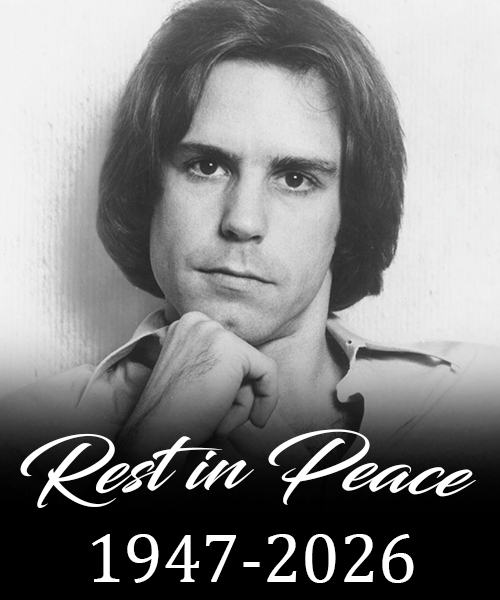
Bob Weir, the co-founding guitarist and vocalist of the Grateful Dead, was a musician whose influence extended far beyond the stage.

Even after the passing of Jerry Garcia in 1995, Weir remained the heartbeat of the Grateful Dead’s ethos — a living symbol of improvisation, connection, and musical exploration.

For Weir, music was never a static entity; it evolved, breathed, and connected audiences across generations, reflecting both the human spirit and the cultural context of its time.

Early Life and Musical Roots

Born Robert Hall Weir on October 16, 1947, in San Francisco, California, Bob grew up in nearby Atherton, a suburban community that offered him exposure to the burgeoning West Coast music scene.


The Grateful Dead circa 1970. The band’s members were quintessential rock hippies — but, a new exhibit reveals, savvy businessmen as wel

From a young age, he showed remarkable interest in music, experimenting with guitar and exploring diverse genres.

Weir’s early musical education was informal yet intense; he spent hours learning chords, studying contemporary folk and blues records, and performing in small local groups.

His precocious talent and dedication would soon pave the way for one of the most influential careers in American music.

The pivotal moment came in the early 1960s when a teenage Weir met Jerry Garcia. Their connection was immediate — both shared a deep curiosity for sound, rhythm, and the emotional resonance of music.

At just 17, Weir joined Garcia and several friends in forming a band initially called the Warlocks, which would later become the Grateful Dead in 1965.

This partnership was transformative, not only for the individuals involved but for the broader trajectory of rock music, improvisational performance, and fan culture.

Formation of the Grateful Dead and the San Francisco Scene

The San Francisco Bay Area in the 1960s was a crucible of musical innovation, social change, and countercultural experimentation. It was here that Weir and the early members of the Grateful Dead developed a sound that blended rock, blues, jazz, folk, and psychedelic influences.

Unlike other bands of the era, their approach did not prioritize hit singles or commercial success. Instead, their identity was forged through live performances, where extended improvisation, audience interaction, and musical exploration were central.

From their earliest gigs in local clubs to the legendary Acid Tests hosted by Ken Kesey, Weir’s guitar playing became a defining element of the band’s sound. His rhythm guitar style was innovative: precise yet flexible, providing harmonic stability while allowing for improvisational freedom.


Unlike traditional rhythm guitarists, Weir’s playing created a framework for Garcia, Phil Lesh, Bill Kreutzmann, Mickey Hart, and Ron “Pigpen” McKernan to explore musical ideas live, often spontaneously and unpredictably.

Weir as Songwriter and Vocalist

Bob Weir was more than a guitarist; he was a songwriter and vocalist whose work helped define the Grateful Dead’s repertoire.

His songs often captured the essence of life on the road, the camaraderie among musicians, and the emotional nuances of travel, adventure, and human connection. Some of his most enduring contributions include:

“Sugar Magnolia”: Celebrated for its uplifting melody and joyous lyrics, it became a signature anthem of the Grateful Dead’s free-spirited energy.

“Truckin’”: Known for its refrain “What a long, strange trip it’s been,” the song embodied the nomadic lifestyle of the band and resonated deeply with fans who followed them across the country.

“One More Saturday Night” and “Mexicali Blues”: Showcasing Weir’s versatility, these songs ranged from high-energy rockers to folk-inspired storytelling, demonstrating his ability to adapt his songwriting to diverse styles and moods.

As a vocalist, Weir possessed a distinctive tone that complemented the band’s harmonic textures. His voice carried warmth, clarity, and a sense of spontaneity that enhanced both structured compositions and extended jams.

Together with Garcia and other members, he crafted a sound that was both familiar and unpredictable, grounding the band’s exploratory performances.


The Grateful Dead as a Cultural Phenomenon

The Grateful Dead quickly transcended the role of a conventional rock band. Their concerts were communal experiences, where boundaries between musicians and audience blurred.

Fans, affectionately called Deadheads, formed a dedicated subculture, traveling across states and creating a unique community bound by music, shared values, and collective participation.

Weir understood that this community was an essential part of the band’s identity. He engaged with fans directly, respected their enthusiasm, and cultivated a sense of mutual trust and connection.

This ethos extended beyond performance. It influenced how concerts were conducted, how music was shared, and how fans perceived their relationship to the art.

Weir’s belief that music was a living, breathing force meant that songs were not fixed entities; they evolved with each performance, each audience, and each generation of listeners.

Innovations in Live Performance

Weir’s contributions to live performance were profound. The Grateful Dead became known for long improvisational sets, often lasting several hours, where the setlist was never repeated night to night.

Weir’s guitar work provided both a foundation and a springboard for improvisation, enabling the band to explore extended jams, uncharted sonic territory, and unexpected musical dialogues.

These performances were meticulously responsive to audience energy. Weir and the band emphasized collective experience, listening and responding to the crowd while simultaneously improvising on musical themes.

This approach influenced countless jam bands, jazz ensembles, and contemporary rock artists, establishing a new paradigm for live music performance.


Recognition and Early Accolades

During his lifetime, Bob Weir and the Grateful Dead received numerous accolades that acknowledged their impact:

Induction into the Rock & Roll Hall of Fame in 1994, highlighting their innovation and influence on American music.

Recognition from Grammy Lifetime Achievement Award, honoring their enduring contributions to musical culture.

Influence across genres, from jazz musicians to modern jam bands, who cited Weir’s improvisational approach and collaborative spirit as foundational.

Weir’s early career was defined by his unique balance of innovation and tradition. He respected the roots of rock, blues, and folk while continually exploring new musical territories. This duality became a hallmark of his life’s work.

Even after the death of Jerry Garcia in 1995, Bob Weir remained the cornerstone of the Grateful Dead’s musical and cultural legacy. Where many might have seen the end of an era as a final curtain, Weir saw it as a continuation — a living, breathing opportunity to keep the music evolving, to keep its community alive, and to preserve the improvisational ethos that had defined the band for decades.

For him, the Grateful Dead was never just a collection of songs or recordings; it was a philosophy, a way of connecting people across time, space, and culture.

Post-Dead Projects and Musical Exploration

Weir’s dedication to keeping the spirit of the Grateful Dead alive led to the creation and leadership of several post-Dead projects, each emphasizing improvisation, collaboration, and connection with audiences.

RatDog (1995–present)
In 1995, following Garcia’s death, Weir formed RatDog, a band that allowed him to revisit classic Dead material while exploring new musical ideas.

RatDog shows became laboratories for musical experimentation, where rock, jazz, blues, and folk were interwoven into extended improvisational jams.

Weir’s rhythm guitar remained at the core of these performances, providing both stability and freedom, a duality that allowed for creative exploration without sacrificing coherence

 With RatDog, Weir not only maintained the spirit of the Dead but also nurtured new forms of musical expression, blending traditional compositions with original work in ways that thrilled longtime fans and attracted new listeners.

The Other Ones (1998–2003) and The Dead (2003–2009)
Weir also reunited surviving members of the original Grateful Dead lineup in projects such as The Other Ones and The Dead.

These tours were vital for reconnecting with audiences who had followed the band for decades. Each performance retained the spontaneity, warmth, and intricacy that characterized the original Dead concerts, while also introducing the music to younger generations.

Weir’s leadership in these ensembles demonstrated his skill in balancing honor for tradition with innovative expression, ensuring that the music remained alive rather than becoming a mere nostalgic artifact.

Dead & Company (2015–2023)
Perhaps Weir’s most ambitious post-Dead project was Dead & Company, formed in 2015. This ensemble included guitarist John Mayer alongside original Dead members, effectively bridging generational gaps.

Dead & Company performances maintained the extended jams, dynamic interplay, and communal energy that had defined the Grateful Dead, while introducing the music to audiences unfamiliar with the band’s 1960s roots. Weir’s philosophy was clear: the music should never stagnate; it should continue moving, evolving, and inviting participation from fans of all ages.

Through each of these projects, Weir exemplified his core belief that music is a living, adaptive force, meant to grow and change rather than remain static.

He resisted the idea of resting on legacy alone, constantly challenging himself and collaborators to explore new sounds, rhythms, and emotional landscapes.

Songwriting and Musical Innovation

Bob Weir’s contributions as a songwriter were central to both the band’s sound and its cultural impact. His compositions often captured the essence of human experience, from love and joy to adventure and camaraderie.

Many of his songs reflected the nomadic lifestyle of touring musicians and the sense of shared experience that defined the Dead community.

Some of his most iconic works included:

“Sugar Magnolia”: Celebrated for its infectious energy and lyrical imagery, it became an anthem of connection and celebration.

“Truckin’”: With its unforgettable line, “What a long, strange trip it’s been,” the song reflected resilience, adventure, and the unpredictable nature of life on the road.

“One More Saturday Night” and “Mexicali Blues”: Demonstrating his versatility, these songs ranged from upbeat rock to folk-inspired storytelling, combining clever lyrics with memorable hooks.

Weir’s rhythm guitar style was highly innovative, balancing harmonic stability with creative improvisation. He provided the foundation for extended jams while enabling other musicians to explore freely.

His approach encouraged musical dialogue and spontaneity, contributing to the Dead’s signature sound: a fluid, ever-evolving sonic experience that resonated deeply with audiences.

The Deadhead Community: Building a Cultural Phenomenon

Bob Weir’s influence extended beyond music into the cultivation of one of the most enduring fan communities in history.

Deadheads were more than just listeners — they were participants in a shared culture, traveling across states and even countries to experience live performances.

This phenomenon was rooted in the communal and improvisational nature of the band, and Weir recognized the significance of these connections.

He actively engaged with fans, respected their contributions to the culture, and encouraged their role in shaping the Grateful Dead experience.

Weir’s belief in music as a shared, participatory experience transformed fan engagement. Concerts became dialogues between performers and audiences, with each show unique and alive.

Fans contributed to the energy, the atmosphere, and even the musical narrative, helping to sustain a culture where creativity, inclusivity, and mutual respect thrived.

Recognition, Mentorship, and Influence Across Generations

Throughout his career, Bob Weir received numerous accolades, reflecting both his artistic excellence and cultural impact:

Rock & Roll Hall of Fame Induction (1994): Cementing the Grateful Dead’s place in musical history.

Grammy Lifetime Achievement Award: Acknowledging the transformative power of their work and its lasting relevance.

Influence across genres: Weir inspired jazz musicians, jam bands, and contemporary rock artists alike, shaping approaches to improvisation and live performance.

Beyond recognition, Weir was deeply committed to mentoring younger musicians. By including emerging talent in RatDog, Dead & Company, and other projects, he ensured that the improvisational spirit and collaborative ethos of the Grateful Dead would endure.

Young artists learned technical skill, attentive listening, and the social dynamics of performance, all central to Weir’s philosophy of music as a living, communal experience.

Legacy and Cultural Impact

Bob Weir’s legacy cannot be measured solely by albums sold, concerts performed, or awards received. His influence permeated:

Songs that continue to be performed and rediscovered by new generations.

Communities inspired by the Dead’s ethos of improvisation and connection.

The philosophy of music as a living, shared, and evolving experience, transcending genre and geography.

Even in death, the values Weir championed — creativity, openness, and inclusivity — remain central to the live music experience. His contributions shaped how audiences engage with music, emphasizing that performance is not passive but a shared, dynamic interaction.

Remembering Bob Weir

Tributes to Weir poured in from all corners of the music world. Fellow musicians highlighted his generosity, curiosity, and collaborative spirit, noting that he set a standard for creative interaction.

Fans celebrated the enduring presence of his music, sharing stories of life-changing concerts, community connections, and personal transformations inspired by his performances.

Family and friends remembered him as a thoughtful, compassionate individual whose dedication to human relationships matched his artistic brilliance.

Weir’s philosophy — that music never truly ends, it simply keeps rolling on — perfectly encapsulated his life’s work. Through recordings, live performances, and mentorship, his spirit continues to resonate, ensuring that the community, creativity, and joy he fostered remain alive.

A Life That Continues to Inspire

From a teenage guitarist meeting Jerry Garcia in San Francisco to a revered elder statesman of American music, Bob Weir exemplified passion, perseverance, and collaboration.

His approach demonstrated that music is more than art; it is connection, dialogue, and shared experience. He leaves behind:

A rich catalog of timeless music that continues to inspire.

A global community of fans embodying the values of connection, exploration, and improvisation.

An enduring ethos of openness, mentorship, and creativity, ensuring that the Grateful Dead’s spirit continues to thrive.

Even after his passing, Weir’s music lives on — evolving, inspiring, and connecting people across generations. His life reminds the world that art is not static; it grows, moves, and flows through those who create, perform, and experience it.

In sum, Bob Weir’s six-decade journey redefined live music, community engagement, and the philosophy of artistic improvisation.

What could have been a simple story of a band member’s passing instead becomes a testament to a living legacy: one in which songs, culture, and connection continue to thrive, reminding the world that music never truly ends — it just keeps rolling on.